



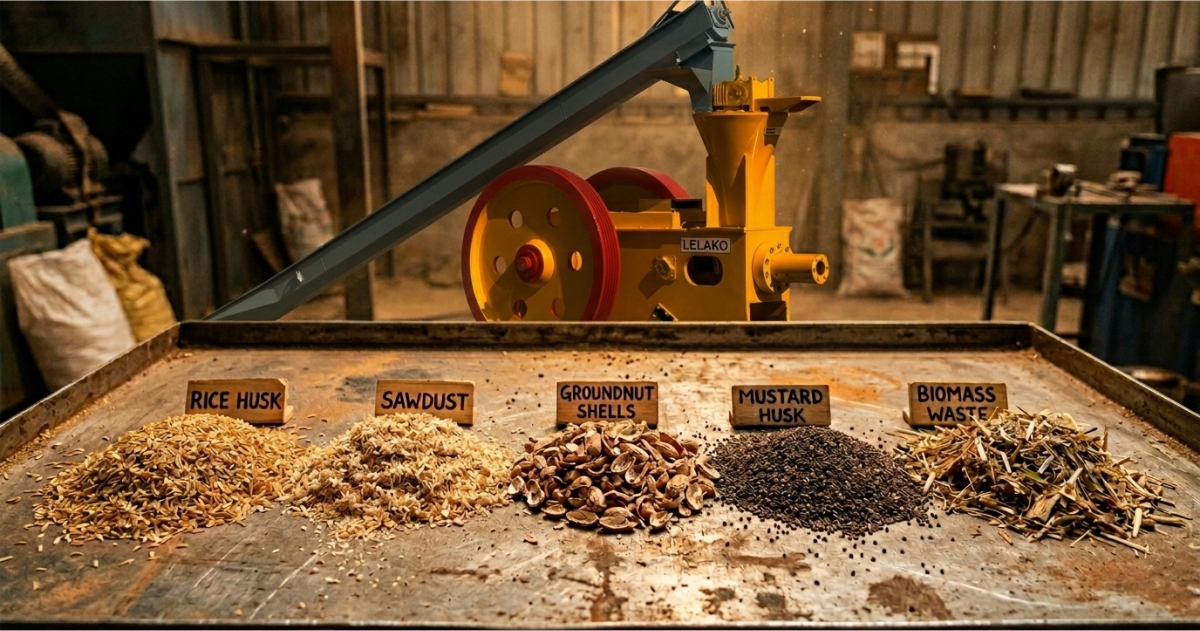
Which Raw Materials Work Best for Briquetting?
With the global shift toward renewable energy, biomass pellets have emerged as a reliable and eco-friendly fuel alternative. At the heart of this transformation lies the pellet press, a powerful machine that converts raw biomass into compact, high-energy fuel pellets.
If you’re planning to enter the biomass fuel industry or expand your existing operations, understanding how a pellet press works and its benefits is essential.
What is a Pellet Press?
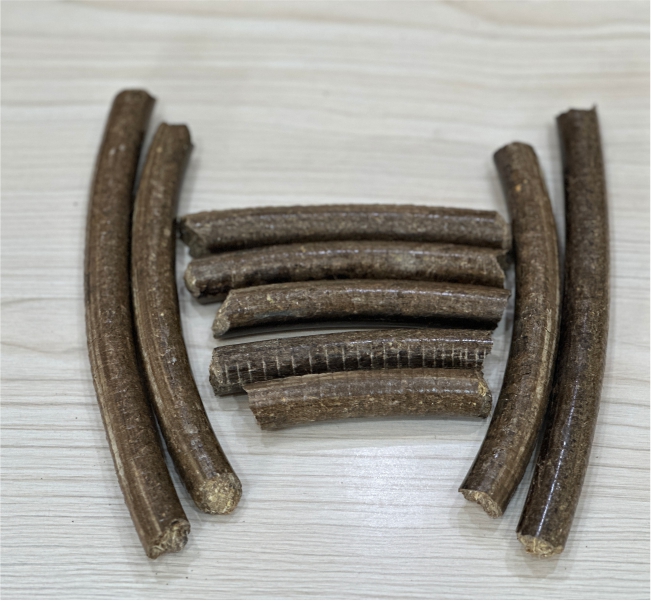
A pellet press is a machine used to compress biomass materials such as sawdust, wood chips, agricultural residues, and other organic waste into small, dense pellets. These pellets are widely used as fuel in:
● Industrial boiler
● Power plants
● Residential heating systems
● Food processing industries
Pellets are known for their high energy density, low moisture content, and clean combustion, making them an excellent alternative to traditional fossil fuels.
How Does a Pellet Press Work?
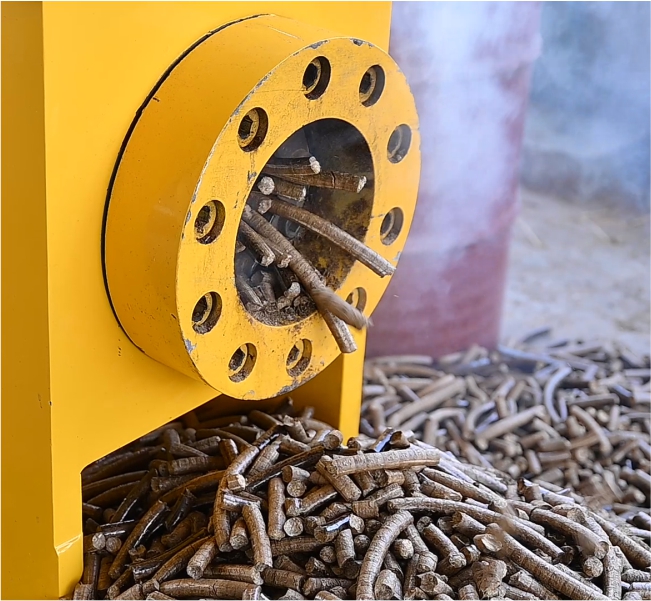
“ The pelletizing process involves applying high pressure and heat to biomass materials. The natural lignin present in the raw material acts as a binder, eliminating the need for external chemicals. ”
Step-by-Step Process:
1. Raw Material Preparation : Biomass is collected and ground into fine particles.
2. Drying : Moisture content is reduced to around 10–15% for optimal results.
3. Pelletizing : The material is fed into the pellet press, where rollers compress it through a die to form pellets.
4. Cooling and Packaging : Fresh pellets are cooled to harden and then packed for storage or transportation.
This efficient process ensures consistent pellet size and high fuel quality.
Key Benefits of Using a Pellet Press
1. Eco-Friendly Fuel Production : Pellets are made from renewable biomass, reducing dependence on coal and fossil fuels.
2. High Energy Efficiency : Pellets have a higher calorific value than raw biomass, resulting in greater heat output.
3. Waste Utilisation : A pellet press helps convert agricultural and industrial waste into valuable fuel, promoting sustainability.
4. Easy Storage and Transport : Pellets are compact, uniform, and easier to handle compared to loose biomass.
4. Cost-Effective Business Opportunity : With rising fuel demand, pellet production offers strong profit potential.
Best Raw Materials for Pellet Press
The efficiency of a pellet press depends heavily on the raw material used.
Common Raw Materials:
● Sawdust
● Wood chips
● Rice husk
● Wheat straw
● Groundnut shells
● Bagasse
Ideal Characteristics:
● Moisture content: 10–15%
● High lignin content
● Uniform particle size
Proper raw material selection ensures better pellet quality and machine performance.
Applications of Biomass Pellet
Pellets produced using a pellet press are widely used in:
● Thermal power plants
● Industrial heating systems
● Textile and food industries
● Domestic heating (in some regions)
Their clean-burning nature makes them an ideal choice for industries looking to reduce carbon emissions.
Tips for Starting a Pellet Press Business
If you’re planning to start a pellet production unit, consider these tips:
- Choose a location close to raw material sources
- Invest in a high-quality pellet press for durability
- Ensure proper moisture control during production
- Build strong connections with industrial buyers
- Focus on consistent quality and supply
A well-planned strategy can help you establish a successful biomass pellet business.
Future Scope of Pellet Press in India
India’s focus on renewable energy and waste management is driving the growth of pellet fuel. Government initiatives promoting biomass energy and reducing pollution are further boosting demand.
With industries actively seeking cleaner fuel alternatives, the pellet press market is expected to grow significantly in the coming years.
Conclusion
A pellet press plays a crucial role in converting biomass waste into a sustainable and profitable energy source. Whether you are an entrepreneur or an industrial player, investing in pellet technology can open doors to long-term growth and environmental responsibility.
By choosing the right raw materials, maintaining quality production, and using efficient machinery, you can build a successful business in the rapidly expanding biomass energy sector.